Cultural ideology
Secularism
The view that public life and law should rest on this-world reason and evidence, and not on religious authority, while people stay free to believe. The word was coined by George Jacob Holyoake in 1851; France's constitution also names the Republic secular.
Placed from: The Principles of Secularism (George Jacob Holyoake); Constitution of France, Article 1.
You and Secularism
Answer 27 statements (about 5 minutes) to compare yourself with Secularism and every other ideology.
Discover my profile →What it holds, in its own texts
Each position is Scope's reading of the quote shown. It describes what the defining texts say; people who use the name differ.
- Freedom or orderLeaning · FreedomFreedomOrder
“It shall ensure the equality of all citizens before the law, without distinction of origin, race or religion. It shall respect all beliefs.”
Constitution of France, Article 1, 1958 · Article 1 - Markets or sharedLeaning · SharedMarketsShared
“The problem to be solved by a science of Society, is to find that situation in which it shall be impossible for a man to be depraved or poor.”
The Principles of Secularism (George Jacob Holyoake), 1871 - Change or traditionLeaning · ChangeChangeTradition
“Positivism is policy of material progress.”
The Principles of Secularism (George Jacob Holyoake), 1871 - Faith in public lifeVery strong · SecularSecularFaith
“Secularity draws the line of separation between the things of time and the things of eternity. That is Secular which pertains to this world.”
The Principles of Secularism (George Jacob Holyoake), 1871 - Nature or technologyLeaning · TechnologyNatureTechnology
“Science is the available Providence of life.”
The Principles of Secularism (George Jacob Holyoake), 1871
No clear quote on who decides, local or central, world or nation, peace or strength, so Secularism is not placed there and those dials are left out of any comparison.
People linked to Secularism
Thinkers and leaders whose own words fit this ideology. Open one to read the quotes.
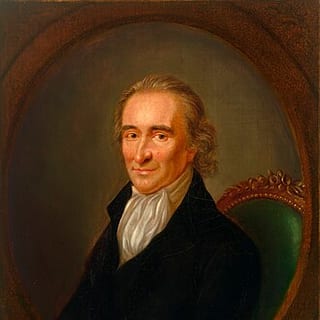 Thomas Paine
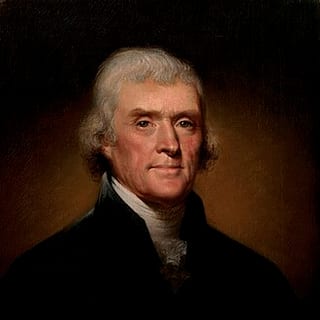 Thomas Jefferson
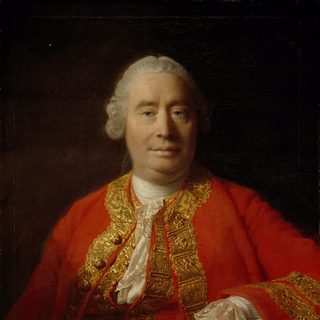 David Hume
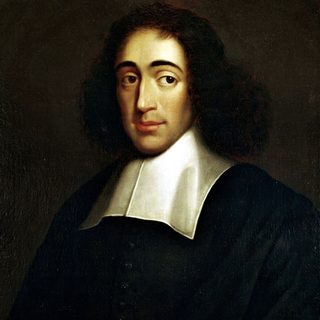 Baruch Spinoza
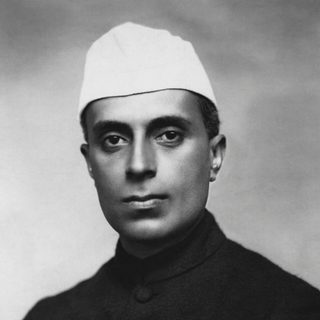 Jawaharlal Nehru