ScopeDutch philosopher · 1632–1677
Baruch Spinoza
Wrote the Theological-Political Treatise, which defended freedom of thought and favored democracy.
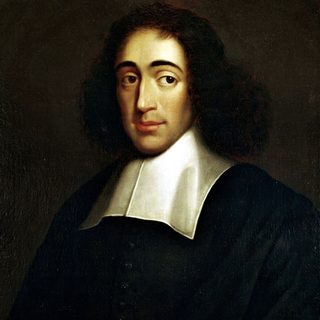
Portrait: Anonymous. Public domain, original file. Percents beside a name count only the dials both have a quote on.
Discover your own profile →scopevote.com
You and Spinoza
Answer 27 statements (about 5 minutes) to compare yourself with Spinoza and 76 others.
Discover my profile →Ideologies linked to Spinoza
Open one to read what it holds, in its own founding texts.
Where Spinoza stood, in Spinoza's own words
Each position is Scope's reading of the quote shown, applied to today's question. They lived in another time; read the words and judge for yourself.
- Freedom or orderLeaning · FreedomFreedomOrder
“In fact, the true aim of government is liberty.”
A Theological-Political Treatise (Part IV, chapters 16–20), 1670 · Theological-Political Treatise, ch. 20 The other side of their view:
“it is impossible to preserve peace, unless individuals abdicate their right of acting entirely on their own judgment.”
A Theological-Political Treatise (Part IV, chapters 16–20), 1670 · Theological-Political Treatise, ch. 20, the next sentences - Faith in public lifeLeaning · SecularSecularFaith
“the rites of religion and the outward observances of piety should be in accordance with the public peace and well-being, and should therefore be determined by the sovereign power alone.”
A Theological-Political Treatise (Part IV, chapters 16–20), 1670 · Theological-Political Treatise, ch. 19: outward religious rites are set by the state, not the clergy, while inner faith and worship stay free - Who decidesLeaning · PeoplePeopleLeaders
“I believe it to be of all forms of government the most natural, and the most consonant with individual liberty.”
A Theological-Political Treatise (Part IV, chapters 16–20), 1670 · Theological-Political Treatise, ch. 16 - World or nationLeaning · WorldWorldNation
“For in this most flourishing state, and most splendid city, men of every nation and religion live together in the greatest harmony”
A Theological-Political Treatise (Part IV, chapters 16–20), 1670 · Theological-Political Treatise, ch. 20, on Amsterdam
No clear quote on markets or shared, change or tradition, nature or technology, local or central, peace or strength, so Spinoza is not placed there and those dials are left out of any comparison.