ScopeGreek philosopher · c. 428–348 BC
Plato
Student of Socrates who imagined an ideal city run by trained philosopher-rulers.
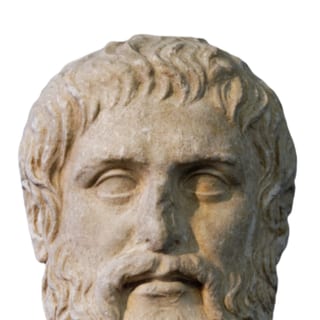
Portrait: Bust after Silanion; photo by Marie-Lan Nguyen. Public domain, original file. Percents beside a name count only the dials both have a quote on.
Discover your own profile →scopevote.com
You and Plato
Answer 27 statements (about 5 minutes) to compare yourself with Plato and 76 others.
Discover my profile →Where Plato stood, in Plato's own words
Each position is Scope's reading of the quote shown, applied to today's question. They lived in another time; read the words and judge for yourself.
- Freedom or orderVery strong · OrderFreedomOrder
“Then the first thing will be to establish a censorship of the writers of fiction, and let the censors receive any tale of fiction which is good, and reject the bad”
The Republic (trans. Benjamin Jowett), c. 375 BC · Book II, on raising the city's guardians - Markets or sharedLeaning · SharedMarketsShared
“Wealth, I said, and poverty; the one is the parent of luxury and indolence, and the other of meanness and viciousness, and both of discontent.”
The Republic (trans. Benjamin Jowett), c. 375 BC · Book IV, on what the guardians must keep out of the city - Change or traditionVery strong · TraditionChangeTradition
“This is the point to which, above all, the attention of our rulers should be directed,—that music and gymnastic be preserved in their original form, and no innovation made.”
The Republic (trans. Benjamin Jowett), c. 375 BC · Book IV - Faith in public lifeLeaning · FaithSecularFaith
“to Apollo, the God of Delphi, there remains the ordering of the greatest and noblest and chiefest things of all. Which are they? he said. The institution of temples and sacrifices, and the entire service of gods, demigods, and heroes”
The Republic (trans. Benjamin Jowett), c. 375 BC · Book IV - Who decidesVery strong · LeadersPeopleLeaders
“Until philosophers are kings, or the kings and princes of this world have the spirit and power of philosophy, and political greatness and wisdom meet in one, and those commoner natures who pursue either to the exclusion of the other are compelled to stand aside, cities will never have rest from their evils”
The Republic (trans. Benjamin Jowett), c. 375 BC · Book V - Peace or strengthLeaning · StrengthPeaceStrength
“they ought to be dangerous to their enemies, and gentle to their friends”
The Republic (trans. Benjamin Jowett), c. 375 BC · Book II, on the city's guardians
No clear quote on nature or technology, local or central, world or nation, so Plato is not placed there and those dials are left out of any comparison.