Napoleon Bonaparte
French general who took power in 1799, made himself Emperor in 1804 and ruled France as a strong central state with a new legal code. His wars across Europe lasted until his defeat at Waterloo in 1815 and cost millions of lives.
Scope places people by what their own words say, whoever they were. A placement is not praise, and it says nothing about what this ruler did. Dictators and absolute rulers are never part of your results or share pictures.
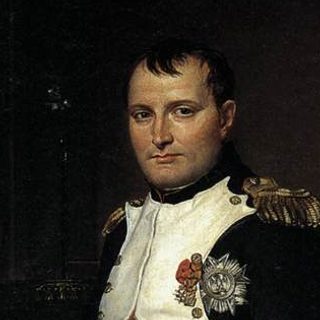
Portrait: Jacques-Louis David. Public domain, original file. Percents beside a name count only the dials both have a quote on.
You and Napoleon
Answer 27 statements (about 5 minutes) to compare yourself with Napoleon.
Discover my profile →Where Napoleon stood, in Napoleon's own words
Each position is Scope's reading of the quote shown, applied to today's question. They lived in another time; read the words and judge for yourself.
- Freedom or orderBalancedFreedomOrder
“a constitution which may establish the sacred and salutary authority of the sovereign”
Napoleon's Addresses, Part IV: Napoleon, Emperor of France (ed. Ida Tarbell), 1804–1809 · proclamation to the Spaniards, 1808, on the constitution he promised The other side of their view:
“with the liberties and privileges of the people”
Napoleon's Addresses, Part IV: Napoleon, Emperor of France (ed. Ida Tarbell), 1804–1809 - Faith in public lifeLeaning · FaithSecularFaith
“The happy effect produced upon the character and morality of my people by the reëstablishment of religion”
Napoleon's Addresses, Part IV: Napoleon, Emperor of France (ed. Ida Tarbell), 1804–1809 · letter to the Pope, 1804 - Who decidesVery strong · LeadersPeopleLeaders
“The representatives of the people! I am alone the representative of the people.”
Napoleon's Addresses, Part V: The Fall of Napoleon (ed. Ida Tarbell), 1812–1815 · speech to the legislative body, December 1813 - Peace or strengthLeaning · StrengthPeaceStrength
“it is the duty of nations to resort to force, and to declare themselves against things which dishonor them and disgrace their independence.”
Napoleon's Addresses, Part IV: Napoleon, Emperor of France (ed. Ida Tarbell), 1804–1809 · letter to Champagny, 1807, on neutral American ships
No clear quote on markets or shared, change or tradition, nature or technology, local or central, world or nation, so Napoleon is not placed there and those dials are left out of any comparison.