ScopeGreek philosopher · 384–322 BC
Aristotle
Plato's student, who studied real constitutions and praised balance and the middle way.
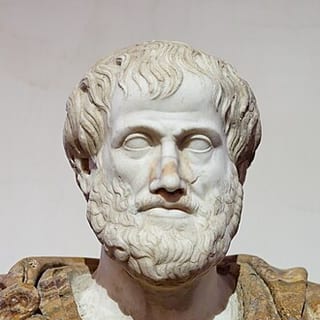
Portrait: Roman copy after Lysippos. Public domain, original file. Percents beside a name count only the dials both have a quote on.
Discover your own profile →scopevote.com
You and Aristotle
Answer 27 statements (about 5 minutes) to compare yourself with Aristotle and 76 others.
Discover my profile →Where Aristotle stood, in Aristotle's own words
Each position is Scope's reading of the quote shown, applied to today's question. They lived in another time; read the words and judge for yourself.
- Freedom or orderLeaning · OrderFreedomOrder
“every one may live as he likes; "as his inclination guides," in the words of Euripides: but this is wrong, for no one ought to think it slavery to live in subjection to government, but protection.”
Politics (trans. William Ellis), c. 350 BC · Book V, on extreme democracy - Markets or sharedBalancedMarketsShared
“It is evident then that it is best to have property private, but to make the use of it common”
Politics (trans. William Ellis), c. 350 BC · Book II, ch. 5 - Change or traditionLeaning · TraditionChangeTradition
“when the advantage proposed is trifling, as the accustoming the people easily to abolish their laws is of bad consequence, it is evidently better to pass over some faults which either the legislator or the magistrates may have committed”
Politics (trans. William Ellis), c. 350 BC · Book II, ch. 8 - Who decidesBalancedPeopleLeaders
“the multitude when they are collected together have all of them sufficient understanding for these purposes”
Politics (trans. William Ellis), c. 350 BC · Book III, on electing and checking officials The other side of their view:
“it is not safe to trust them with the first offices in the state, both on account of their iniquity and their ignorance”
Politics (trans. William Ellis), c. 350 BC · Book III, the same passage
No clear quote on faith in public life, nature or technology, local or central, world or nation, peace or strength, so Aristotle is not placed there and those dials are left out of any comparison.