Political tradition
Classical liberalism
A tradition from the 1600s to the 1800s holding that individuals have natural rights, that government rests on consent and should be limited, and that trade and markets should be free.
Placed from: On Liberty (John Stuart Mill); The Wealth of Nations (Adam Smith); Declaration of the Rights of Man and of the Citizen; Second Treatise of Government (John Locke).
You and Classical liberalism
Answer 27 statements (about 5 minutes) to compare yourself with Classical liberalism and every other ideology.
Discover my profile →What it holds, in its own texts
Each position is Scope's reading of the quote shown. It describes what the defining texts say; people who use the name differ.
- Freedom or orderVery strong · FreedomFreedomOrder
“Over himself, over his own body and mind, the individual is sovereign.”
On Liberty (John Stuart Mill), 1859 · conduct that affects only the person himself - Markets or sharedVery strong · MarketsMarketsShared
“Every man, as long as he does not violate the laws of justice, is left perfectly free to pursue his own interest his own way, and to bring both his industry and capital into competition with those of any other man, or order of men.”
The Wealth of Nations (Adam Smith), 1776 - Change or traditionLeaning · ChangeChangeTradition
“The despotism of custom is everywhere the standing hindrance to human advancement, being in unceasing antagonism to that disposition to aim at something better than customary, which is called, according to circumstances, the spirit of liberty, or that of progress or improvement.”
On Liberty (John Stuart Mill), 1859 - Faith in public lifeLeaning · SecularSecularFaith
“No one shall be disquieted on account of his opinions, including his religious views, provided their manifestation does not disturb the public order established by law.”
Declaration of the Rights of Man and of the Citizen, 1789 - Who decidesLeaning · PeoplePeopleLeaders
“MEN being, as has been said, by nature, all free, equal, and independent, no one can be put out of this estate, and subjected to the political power of another, without his own consent.”
Second Treatise of Government (John Locke), 1689 - World or nationLeaning · WorldWorldNation
“It is the maxim of every prudent master of a family, never to attempt to make at home what it will cost him more to make than to buy.”
The Wealth of Nations (Adam Smith), 1776 · on buying from other countries
No clear quote on nature or technology, local or central, peace or strength, so Classical liberalism is not placed there and those dials are left out of any comparison.
People linked to Classical liberalism
Thinkers and leaders whose own words fit this ideology. Open one to read the quotes.
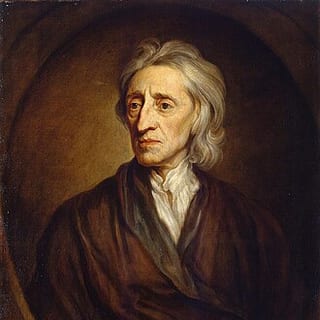 John Locke
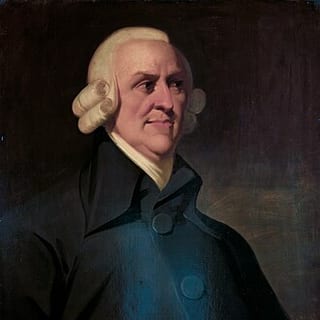 Adam Smith
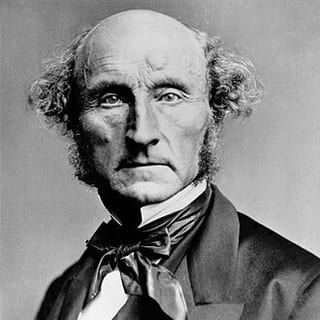 John Stuart Mill
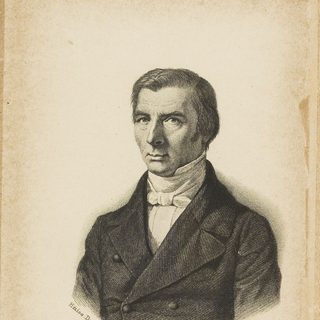 Frédéric Bastiat
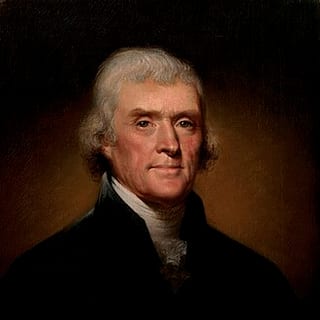 Thomas Jefferson
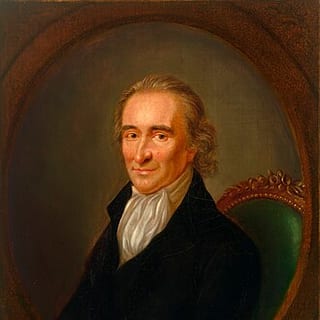 Thomas Paine
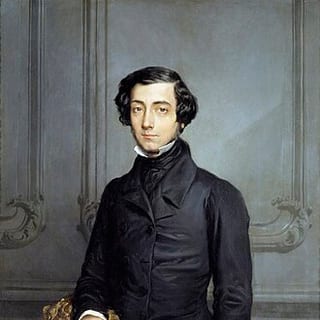 Alexis de Tocqueville
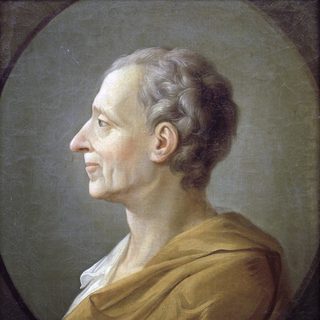 Montesquieu
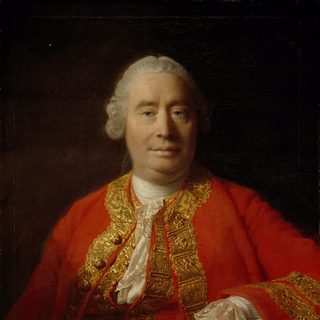 David Hume