Political tradition
Cosmopolitanism
The view that people are citizens of the world first, that nations should be bound by shared law and that every person has the same basic rights; it is placed from Kant's essay Perpetual Peace and the UN's Universal Declaration of Human Rights.
Placed from: Perpetual Peace (Immanuel Kant; trans. M. Campbell Smith); Universal Declaration of Human Rights (United Nations).
You and Cosmopolitanism
Answer 27 statements (about 5 minutes) to compare yourself with Cosmopolitanism and every other ideology.
Discover my profile →What it holds, in its own texts
Each position is Scope's reading of the quote shown. It describes what the defining texts say; people who use the name differ.
- Freedom or orderLeaning · FreedomFreedomOrder
“Everyone has the right to freedom of opinion and expression; this right includes freedom to hold opinions without interference and to seek, receive and impart information and ideas through any media and regardless of frontiers.”
Universal Declaration of Human Rights (United Nations), 1948 · Article 19 - Markets or sharedLeaning · SharedMarketsShared
“a standard of living adequate for the health and well-being of himself and of his family, including food, clothing, housing and medical care and necessary social services”
Universal Declaration of Human Rights (United Nations), 1948 · Article 25 - Who decidesLeaning · PeoplePeopleLeaders
“The will of the people shall be the basis of the authority of government; this will shall be expressed in periodic and genuine elections which shall be by universal and equal suffrage and shall be held by secret vote or by equivalent free voting procedures.”
Universal Declaration of Human Rights (United Nations), 1948 · Article 21 - World or nationVery strong · WorldWorldNation
“For states, in their relation to one another, there can be, according to reason, no other way of advancing from that lawless condition which unceasing war implies, than by giving up their savage lawless freedom, just as individual men have done, and yielding to the coercion of public laws.”
Perpetual Peace (Immanuel Kant; trans. M. Campbell Smith), 1795 - Peace or strengthLeaning · PeacePeaceStrength
“Standing armies (miles perpetuus) shall be abolished in course of time.”
Perpetual Peace (Immanuel Kant; trans. M. Campbell Smith), 1795 · Preliminary Article 3
No clear quote on change or tradition, faith in public life, nature or technology, local or central, so Cosmopolitanism is not placed there and those dials are left out of any comparison.
People linked to Cosmopolitanism
Thinkers and leaders whose own words fit this ideology. Open one to read the quotes.
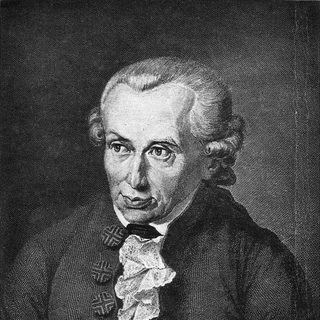 Immanuel Kant
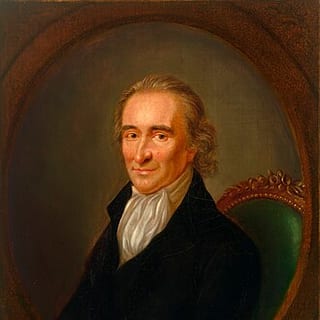 Thomas Paine
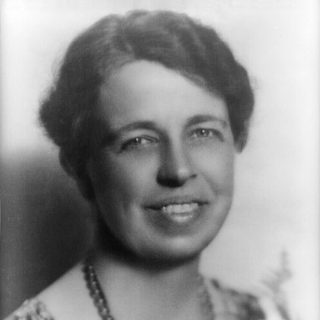 Eleanor Roosevelt